For my next book, which is largely still in the research stage, I’ve been studying the fine arts of money laundering and tax evasion. At it’s most basic level money laundering is the art of hiding ill gotten gains from the FBI, police and the IRS or other tax authorities. These funds may have been procured from illegal activities like drug dealing or accepting bribes in return for political favors or illicit business deals.
At its most basic level the task of laundering money consists of exchanging so-called dirty money for clean or untraceable cash or other assets. The money launderer, lets say a drug dealer, sells some drugs for cash. The cash may or may not be traceable but the launderer uses it to buy some asset from someone else and then turns around and sells that asset for “clean” money. One of the simplest and common ways for this to be accomplished when dealing with relatively small amounts of money is to walk into a gambling casino and buying say five thousand dollars worth of chips with your “unlaundered” cash. Depending on whether or not you’re a gambler you can either go to the roulette or craps tables to see how much you can win or lose. Or, if you’re smarter than that, you can simply go to the casino bar, have a couple of drinks to wile away the time, and then cash in the chips for what is now clean currency.
Things get more complicated with larger amounts of illicit funds. Take the recent indictment of President Trump’s former campaign manager Paul Manafort and his assistant Rick Gates. Manafort is charged with accepting eighteen million dollars from the Ukranian government to pay for lobbying and influence peddling in Washington. Manafort had the Ukranians wire transfer the eighteen million into anonymous offshore bank accounts and eventually had the funds wired from these anonymous accounts to pay for a wide variety of luxury goods and services including expensive homes in Manhattan, Brooklyn, Virginia and in the chic summer colony in the Hamptons on Long Island. Naturally, no taxes had been paid on any of this “anonymous” money.
The international art market also provides opportunities for laundering much larger sums of money than Manafort’s eighteen million and much, much larger than one could possibly carry into a casino even in a large duffle bag. How this can work is outlined in a recent New York Times article by Graham Bowley and William K. Rashbaum:
“When you sell your home the paperwork details the sale, including your name, and the title search lists the names of the people who owned the property before you. But when someone sells an artwork at auction — even something worth $100 million, much more than your house — the identity is typically concealed.
Oh, the paperwork might identify the work as coming from “a European collection.” But the buyer usually has no clue with whom he or she is really dealing. Sometimes, surprisingly, even the auction house may not know who the seller is.
Secrecy has long been central to the art world. Anonymity protects privacy, adds mystique and cuts the taint of crass commerce from such transactions. But some experts are now saying this sort of discretion — one founded in a simpler time, when only a few wealthy collectors took part in the art market — is not only quaint but also reckless when art is traded like a commodity and increasingly suspected in money laundering.
“The art market is an ideal playing ground for money laundering,” said Thomas Christ, a board member of the Basel Institute on Governance, a Swiss nonprofit that has studied the issue. “We have to ask for clear transparency, where you got the money from and where it is going.”
The debate about anonymity in the art world has intensified over the past year, fed in part by the release of the so-called Panama Papers, which detailed the use of corporate veils to conceal ownership, dodge taxes and enable crime, its authors say. Now various expert groups, like the Basel Institute, are coming forward with ways for dealers and auction houses to curb secrecy and combat money laundering. In a significant change, Christie’s said last week it has strengthened its policy in recent months and now requires agents looking to sell a work through the auction house to tell it the name of the owner they represent.
“Where it has concerns, Christie’s declines the transaction,” the company said in a statement.
The stakes have risen alongside the soaring value of art, with an estimated $63.8 billion worth of sales in 2015.
In one current money-laundering case, United States authorities have accused Malaysian officials and associates in a civil complaint of converting billions of dollars of embezzled public funds into investments like real estate and art. Masterworks by Basquiat, Rothko, Van Gogh and others were purchased, many at Christie’s, according to a complaint filed by federal prosecutors. Later, a Cayman Island company owned by one of the accused launderers took out a $107 million loan from Sotheby’s in 2014 using some of those artworks as collateral, authorities say.”
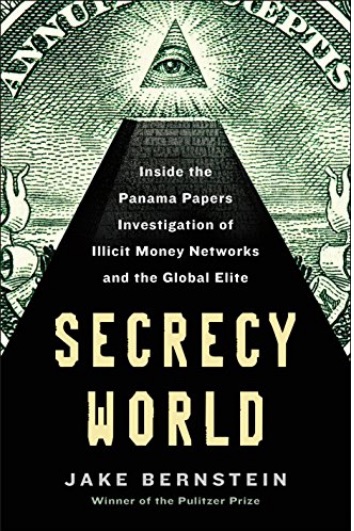
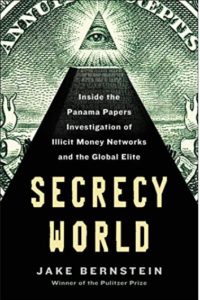
The book The Panama Papers mentioned in the Times article, discusses in great detail the many ways for bad guys 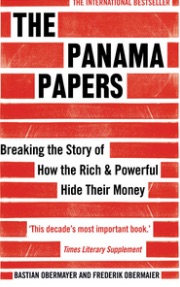 to hide the existence of dirty money gained through bribes, embezzlement or simple theft. The first step is to transfer the illicit funds possibly into untraceable bank accounts or in so-called “shell” companies whose secrecy is legally protected in one or another by the governments of the many small secret tax havens that are dotted around the world. Some of the most prominent of these are Panama and the British Virgin Islands in the Caribbean, the Isle of Jersey in the English Channel and the Seychelles in the Indian Ocean. One of the first things I learned in Reading The Panama Papers and another similar book called “Secrecy World,” by Jake Bernstein is that the number of people involved in putting their millions and occasionally billions through the anonymous cash machines in tax havens is far bigger than I imagined. In addition to drug lords, they include the likes of Russian oligarchs, Arabian princes, Sub-Saharan dictators, Latin American politicians, Wall Street hedge fund managers and, not to point any fingers at anyone in particular, but also a lot of well connected real estate moguls who don’t happen to like paying taxes or showing people their tax returns.
My next book won’t be a recounting of what’s in either The Panama Papers or Secrecy World. Rather it will use the information I gleaned from these books and other sources as the background for a murder story investigated by a Private Financial Investigator who is determined to find out who pushed his beautiful and super rich client (who just may turn out to be his girlfriend) off the balcony of her New York City penthouse apartment.
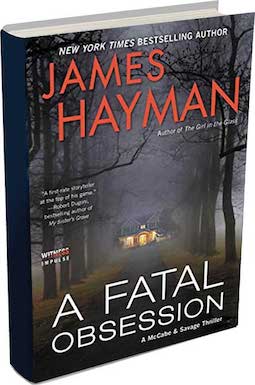
And please don’t forget to look for my latest McCabe/Savage thriller, A Fatal Obsession, coming out on August 21st and available for preorder now!
Follow me on Twitter or Facebook for more details!
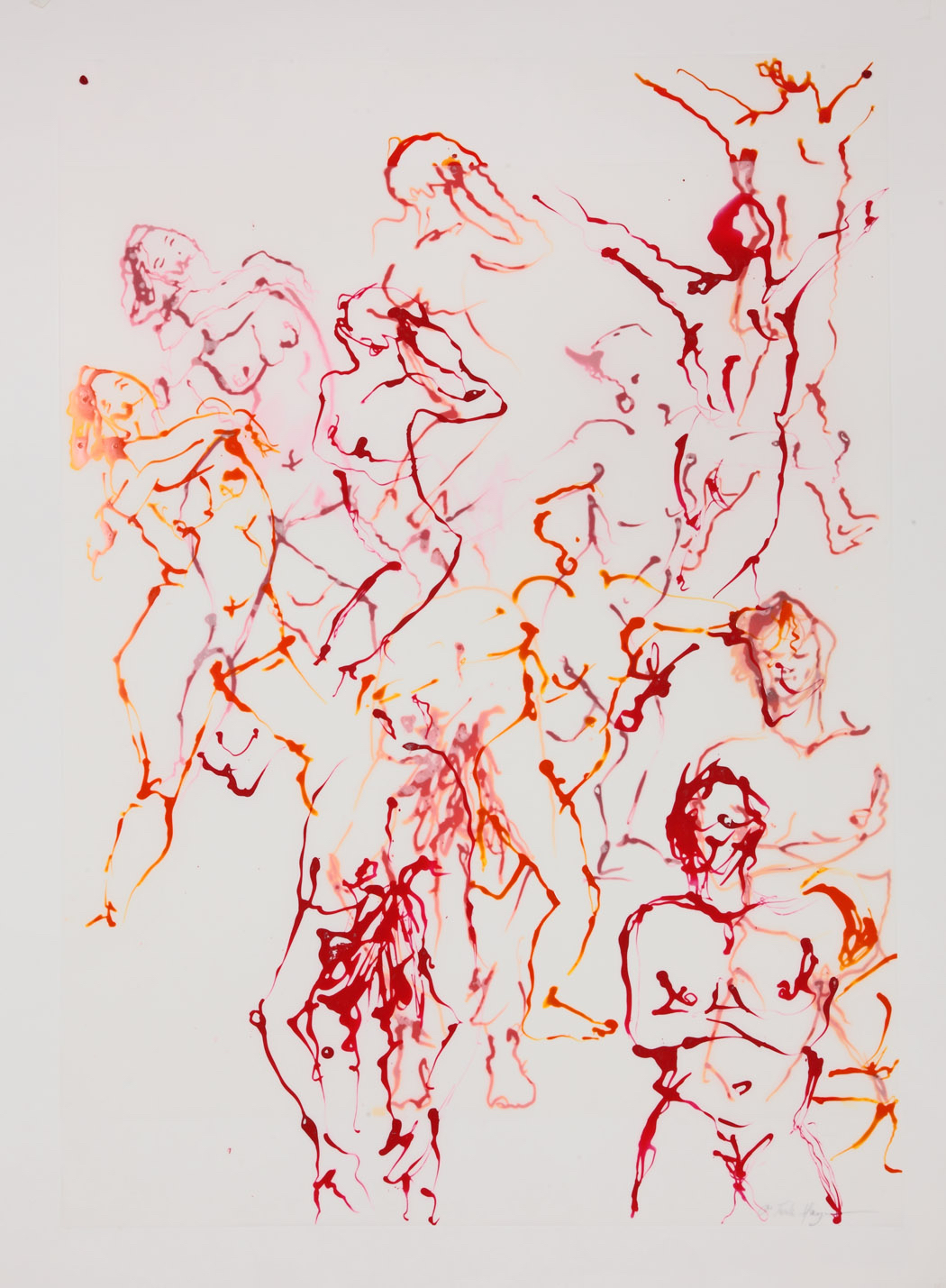
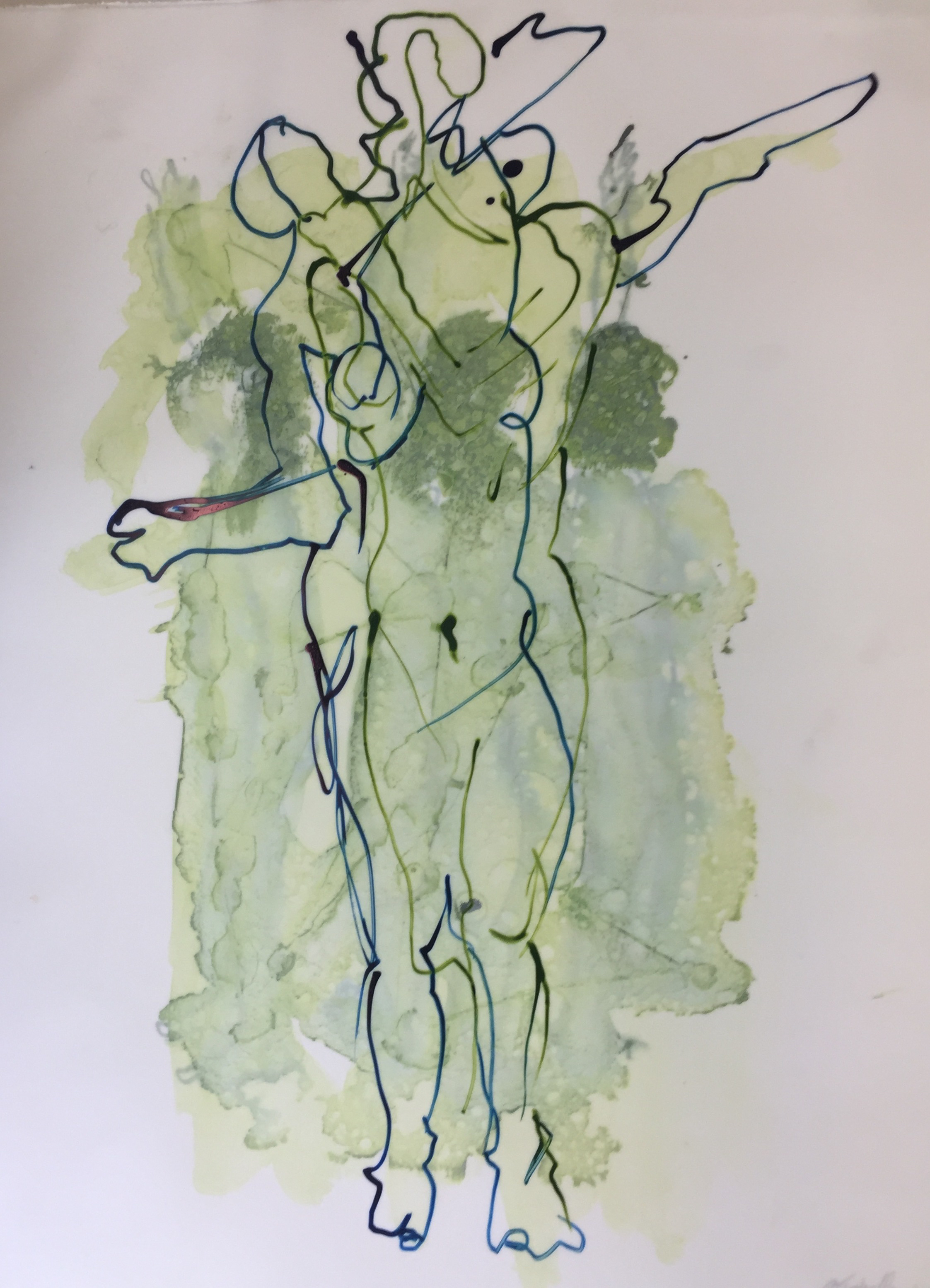 Those of you who’ve read my first McCabe Savage thriller, The Cutting, know McCabe’s girlfriend at the time was the talented artist Kyra Erikson. Guess where I got the idea for and the background info to create that character? Anyway, Kyra had left McCabe by the end of the third book, Darkness First, obviously to allow his relationship with Maggie to blossom. Happily, Jeanne’s still with me.